Introduction
The Strait of Hormuz is one of the world's most critical maritime chokepoints, especially for global energy security. In 2026, this narrow waterway became the center of a major crisis that disrupted global oil shipments and sent shockwaves through international markets.
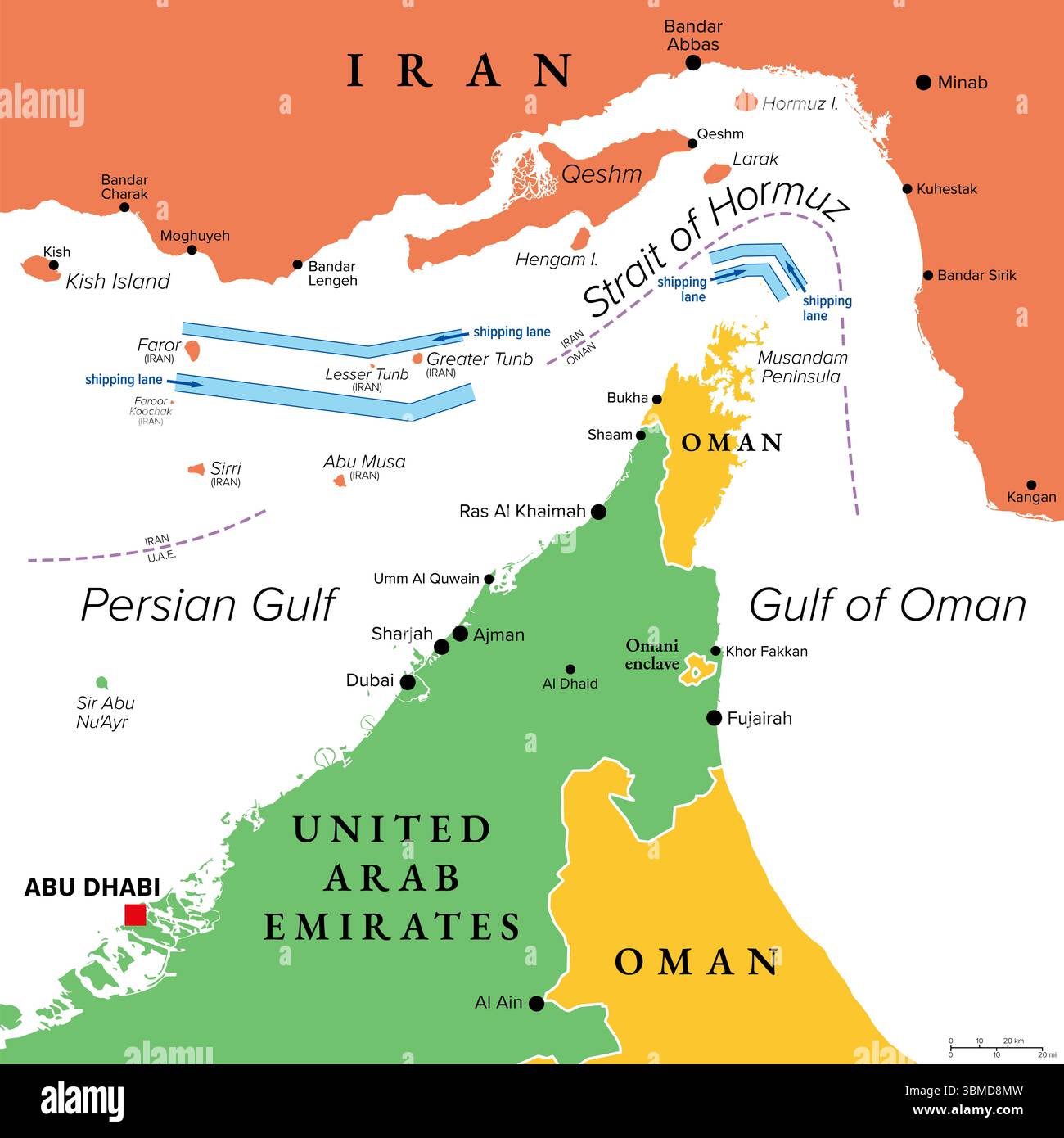
Map
Why the Strait of Hormuz Matters
Despite being only about 21 miles wide, the Strait of Hormuz carries approximately 20% of global oil consumption and nearly 20% of global LNG exports. Its strategic location between Iran, Oman, and the UAE makes it vital for international shipping and energy flows.
The 2026 Crisis Overview
The crisis began on 28 February 2026 after coordinated US–Israeli airstrikes escalated tensions with Iran, leading to missile and drone attacks on merchant ships, sea mines in shipping lanes, and a near-total shutdown of traffic through the strait.
Economic and Geopolitical Impact
- Oil prices surged above $100–126 per barrel.
- Inflation pressures increased globally.
- Freight rates spiked, affecting supply chains for LNG, aluminium, fertilisers, and helium.
- Iran's military presence gave it significant leverage over the strait despite international laws.
Conclusion
The 2026 Strait of Hormuz crisis highlights the vulnerability of global energy security to geopolitical conflicts. Understanding this event is crucial for policymakers, businesses, and the public.
References
- Strait of Hormuz, colored political map showing the shipping lanes. Sea ...
- 2026 Strait of Hormuz crisis - Wikipedia
- Strait of Hormuz Disruptions: Growth and financial implications - UNCTAD
- Strait of Hormuz Crisis 2026: Full Timeline & Ocean Freight Impact


No comments:
Post a Comment